
curved safety glass
The Role of Chinese Butterfly Valve Factories in Global Industry In the landscape of industrial manufacturing, butterfly valves play a crucial role in controlling the flow of fluids within various systems, from water supply and sewage treatment to oil and gas pipelines. Among the leading manufacturers of these essential components, Chinese butterfly valve factories have carved out a significant niche, contributing to both local and global markets. This article explores the factors that have propelled these factories to prominence and their impact on the industry. Quality and Variety of Products One of the primary reasons for the success of Chinese butterfly valve manufacturers is the extensive variety of products available. These factories produce a range of butterfly valves suitable for different applications, featuring various materials such as stainless steel, cast iron, and PVC. This diversity allows customers to select valves that meet specific industry requirements, thereby enhancing operational efficiency. Additionally, many Chinese manufacturers specialize in customizing valves to suit unique applications, increasing their appeal to a global clientele. Technological Advancements Chinese factories have made substantial investments in modern manufacturing technologies and techniques. Adopting automation and digitalization has significantly improved production efficiency and product quality. With cutting-edge machining processes and rigorous quality control systems, these manufacturers can produce highly reliable butterfly valves that meet international standards. Furthermore, many factories collaborate with research institutions to develop innovative solutions, ensuring that their products remain competitive in a rapidly evolving marketplace. Cost Efficiency Another critical factor contributing to the success of Chinese butterfly valve factories is their ability to offer competitive pricing. Due to lower labor costs and efficient production methods, Chinese manufacturers can provide high-quality products at prices that often undercut those of their Western counterparts. This price advantage attracts a wide array of customers, from small local businesses to large multinational corporations. As a result, Chinese butterfly valves have gained significant traction in various markets worldwide. china butterfly valve factory Compliance and Certification To ensure their products meet international quality and safety standards, many Chinese manufacturers have sought certifications such as ISO 9001 and API 609. These certifications not only enhance the credibility of the products but also instill confidence in global customers about the reliability and performance of the valves. Compliance with rigorous testing protocols helps manufacturers to avoid potential failures in the field, which can result in significant costs and safety issues for operators. Global Supply Chains and Trade Relations The role of Chinese butterfly valve factories extends beyond mere production. They are integral parts of global supply chains, facilitating the movement of goods across borders. As international trade relations continue to evolve, these factories are well-positioned to cater to both domestic and overseas markets. Their strategic locations and logistics capabilities allow them to provide timely deliveries, which is vital in industries where downtime can be costly. Sustainability Initiatives As awareness of environmental issues grows, many Chinese manufacturers are adopting sustainable practices in their operations. This includes the reduction of waste, energy-efficient production processes, and the use of recyclable materials. By focusing on sustainability, these factories not only contribute to environmental protection but also align with the increasing demand for eco-friendly products in the global market. Conclusion In conclusion, Chinese butterfly valve factories play a pivotal role in the global industrial landscape. Their commitment to quality, innovation, and cost efficiency has established them as key players in the valve manufacturing sector. As they continue to adapt to changing market dynamics, embrace sustainable practices, and leverage technological advancements, the impact of these factories will undoubtedly expand, shaping the future of fluid control solutions worldwide.
about
curved safety glass
Understanding Thread Ring Gauge Use in Quality Control Thread ring gauges are essential instruments in the field of quality control, particularly for threaded fasteners and components. They ensure the accuracy of external threads by providing a means to measure the pitch diameter and verify the thread profile of a threaded part. This article delves into the importance, operational principles, and applications of thread ring gauges. What is a Thread Ring Gauge? A thread ring gauge is a cylindrical tool with internal threads that are manufactured to specific standards, typically based on the American National Standards Institute (ANSI) or the International Organization for Standardization (ISO). These gauges come in two primary forms go gauges and no-go gauges. The ‘go’ gauge checks whether the threads of a part are within the acceptable limits, while the ‘no-go’ gauge ensures that the threads do not exceed the allowable tolerances. By using both, manufacturers can effectively ensure that their parts meet precise specifications. Importance of Thread Ring Gauges The accuracy of threaded components is critical in many industries, including automotive, aerospace, and manufacturing. Threads that don't meet specifications can lead to mechanical failures, excessive wear, or safety issues. For example, in the automotive sector, improperly threaded components can cause significant damage or even catastrophic failures during operation. Using thread ring gauges helps manufacturers 1. Ensure Compliance Meeting industry standards for thread dimensions is crucial for regulatory compliance and product certification. 2. Enhance Quality Control Regular use of thread ring gauges allows for consistent quality checks throughout the production process, reducing the chances of defective components. 3. Reduce Costs By identifying non-conforming parts early in the manufacturing process, companies can minimize rework and scrap, ultimately saving on production costs. 4. Increase Customer Satisfaction High-quality products lead to increased customer trust and satisfaction, fostering long-term business relationships. Operational Principles of Thread Ring Gauges thread ring gauge use Using a thread ring gauge involves several straightforward steps. First, it is important to choose the right gauge for the part being tested. Once selected, the operator takes the threaded component and attempts to screw it into the gauge. For the ‘go’ gauge, the part should fit smoothly without excessive force, indicating that it is within the desired tolerance. Conversely, the ‘no-go’ gauge should not accept the component; if it does, the part is rejected based on inadequate thread depth or improper diameter. It’s essential for operators to familiarize themselves with the pitch diameter and thread profile of the gauges, ensuring compatibility. Additionally, regular calibration and maintenance of the gauges are necessary to ensure their longevity and accuracy. Applications of Thread Ring Gauges Thread ring gauges are utilized in various applications across multiple sectors. Some common uses include 1. Manufacturing and Assembly They are extensively used to inspect threaded parts, ensuring they meet the required specifications before assembly. 2. Quality Assurance Laboratories These gauges are often employed in labs where detailed measurements and certifications are required for parts before they enter the marketplace. 3. Field Inspections In some cases, thread ring gauges may be used on-site for maintenance inspections of machinery, ensuring that threads on bolts and fittings are still within acceptable tolerances after extended use. 4. Training and Development They are also valuable teaching tools in engineering and manufacturing courses, helping students understand the critical nature of thread specifications. Conclusion In summary, the use of thread ring gauges is indispensable in the quality control processes across many industries. They ensure that threaded components meet strict specifications, thereby enhancing safety, compliance, and customer satisfaction. As manufacturing technologies advance, the importance of precise measurements will only increase, further solidifying the role of thread ring gauges in modern production environments. By prioritizing the implementation of these gauges, companies can remain competitive and ensure high standards throughout their production processes.
-

High quality industrial productsagement

High quality industrial products
View Details -

Meet the diverse needs of customers

Meet the diverse needs of customers
View Details -

Strict quality control

Strict quality control
View Details -

Top raw materials

Top raw materials
View Details -

Trusted supplier

Trusted supplier
View Details
Our application


news and information
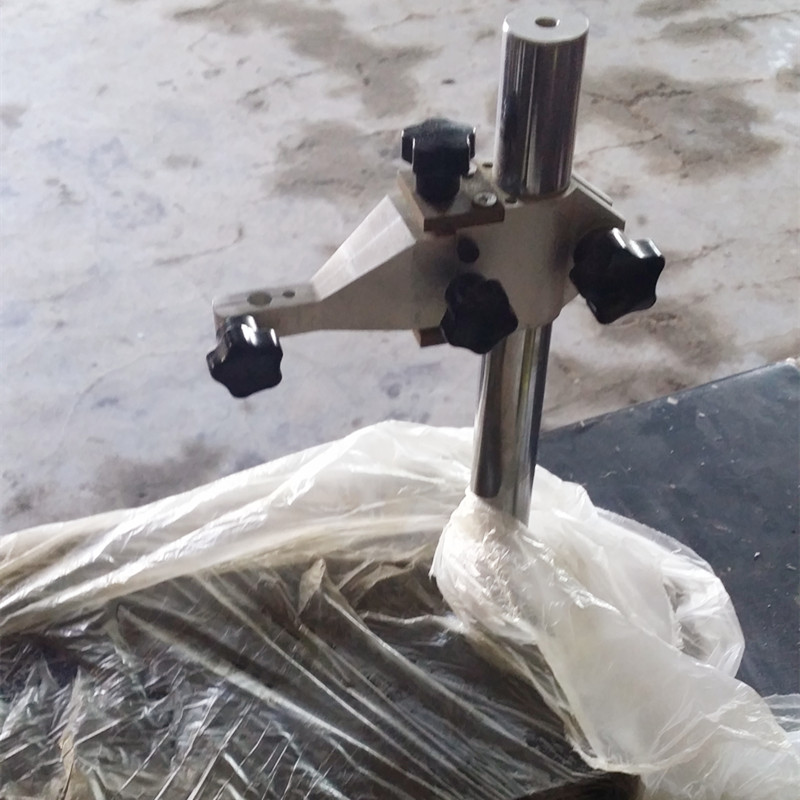
use of thread gauge
The Use of Thread Gauges Ensuring Precision in Manufacturing In the world of manufacturing and engin
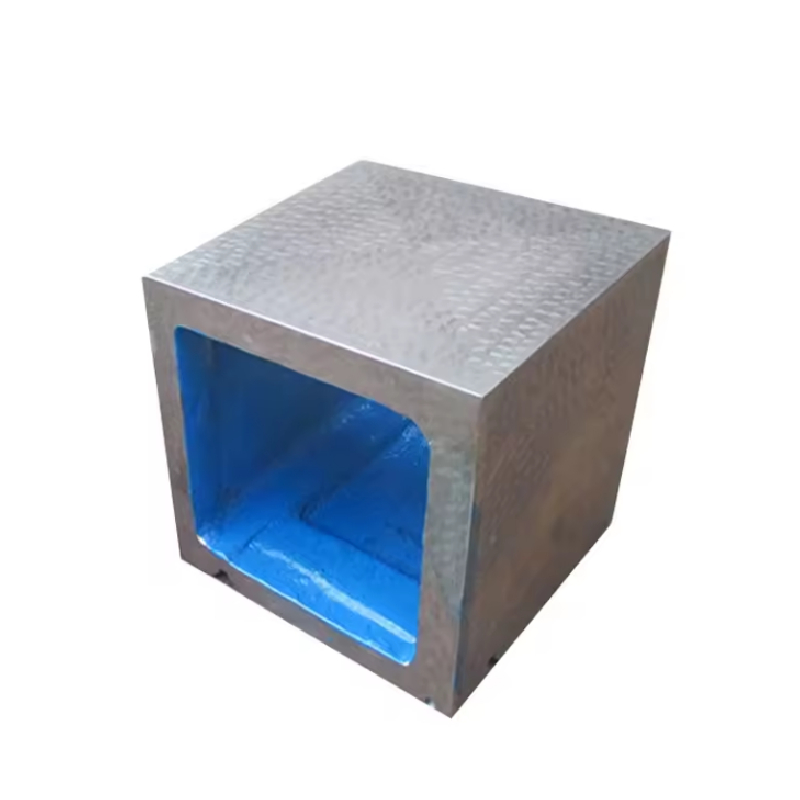
use of parallel ruler
The Use of Parallel Rulers An Essential Tool in Precision Measurement In various fields ranging from
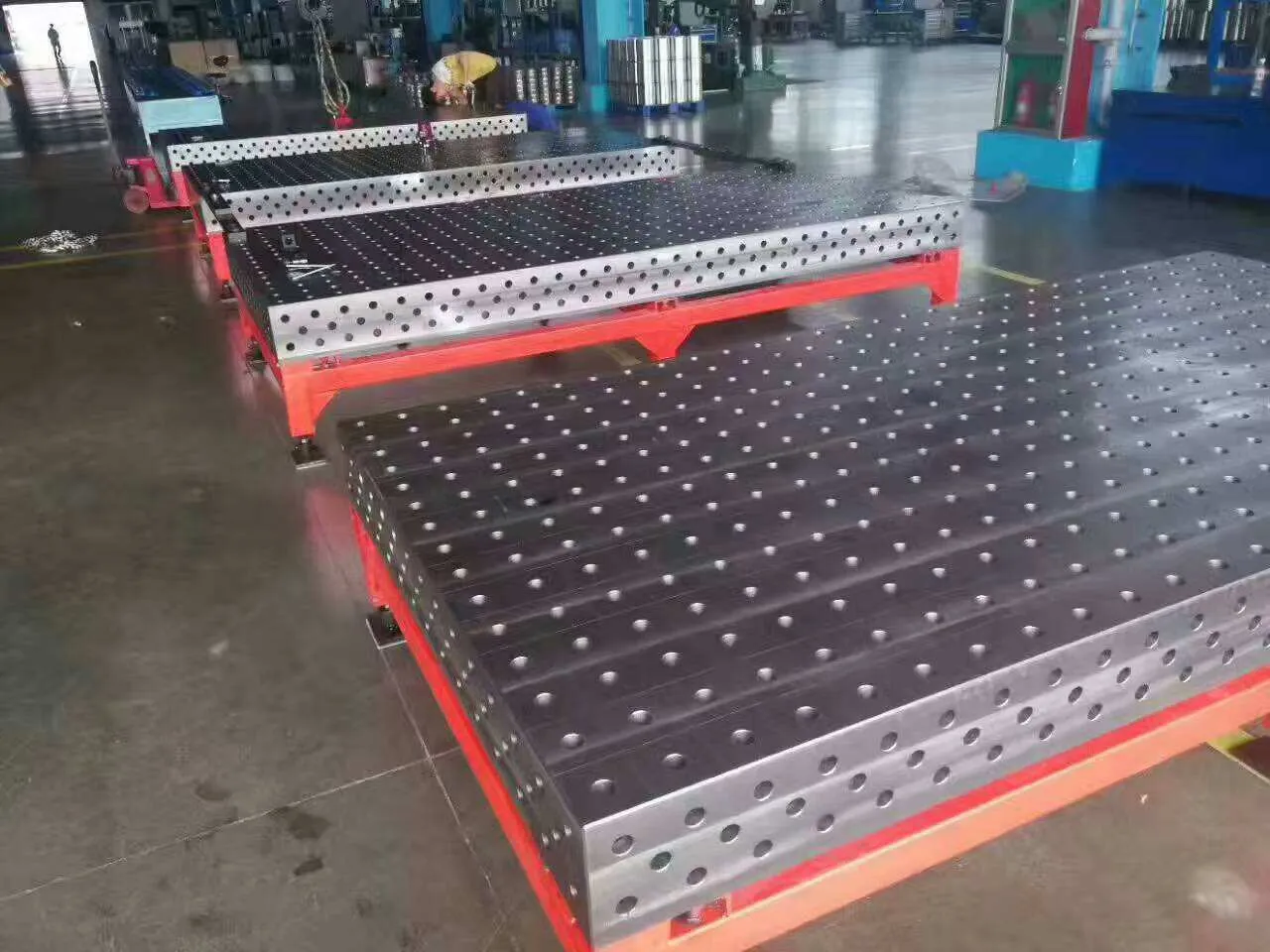
v block
Understanding the V Block in Modern Technology In the fast-paced world of technology, the term V b
 English